
-

Sounds of Lunar New Year
OLG and Balmoral Multicultural Marketing’s innovative cultural campaign
READ MORE -

Apply for a fully funded CM scholarship with Digital Marketing Skills Canada (DMSC)
If you are either unemployed or working 20 hours or less a week, you may be eligible to complete the Chartered Marketer (CM) program and earn your professional marketing designation.
Learn more -

Get a Certificate in Digital Analytics
Embark on a 10-week online course that will enable you to feel more confident in your marketing decisions and investments.
REGISTER NOW -

CMAcx, presented by Environics Analytics
Join us on June 4th to find out what the consumers of the future expect from brands.
REGISTER NOW -

CMA Awards
Applications for first round judges for the 2024 CMA Awards are now open. Join marketers from across the country and recognize the best in Canadian marketing. Submit your application by June 14.
Apply Now
Strengthening the impact of marketing on business success
The CMA is the voice of marketing in Canada and our purpose is to champion marketing’s powerful impact. We are the catalyst to help Canada’s marketers thrive today, while building the marketing mindset and environment of tomorrow.
UPCOMING EVENTS & LEARNING OPPORTUNITIES
|VIEW ALL
Digital Analytics Spring 2024
From generating hypotheses to developing insights, learn how to use data to improve your campaigns

Digital Marketing Strategy Spring 2024
Experience the essential elements of building a digital marketing strategy plan in the Spring of 2024

(Virtual) Does CX belong under Marketing or alongside it?
Join Stephan Sigaud, CMO at Phase 5 to discuss where CX belongs in an organization’s structure.
Mastering SEO & CRO Strategies
Learn how to optimize your website's visibility and drive higher conversion rates to significantly enhance performance and profitability.
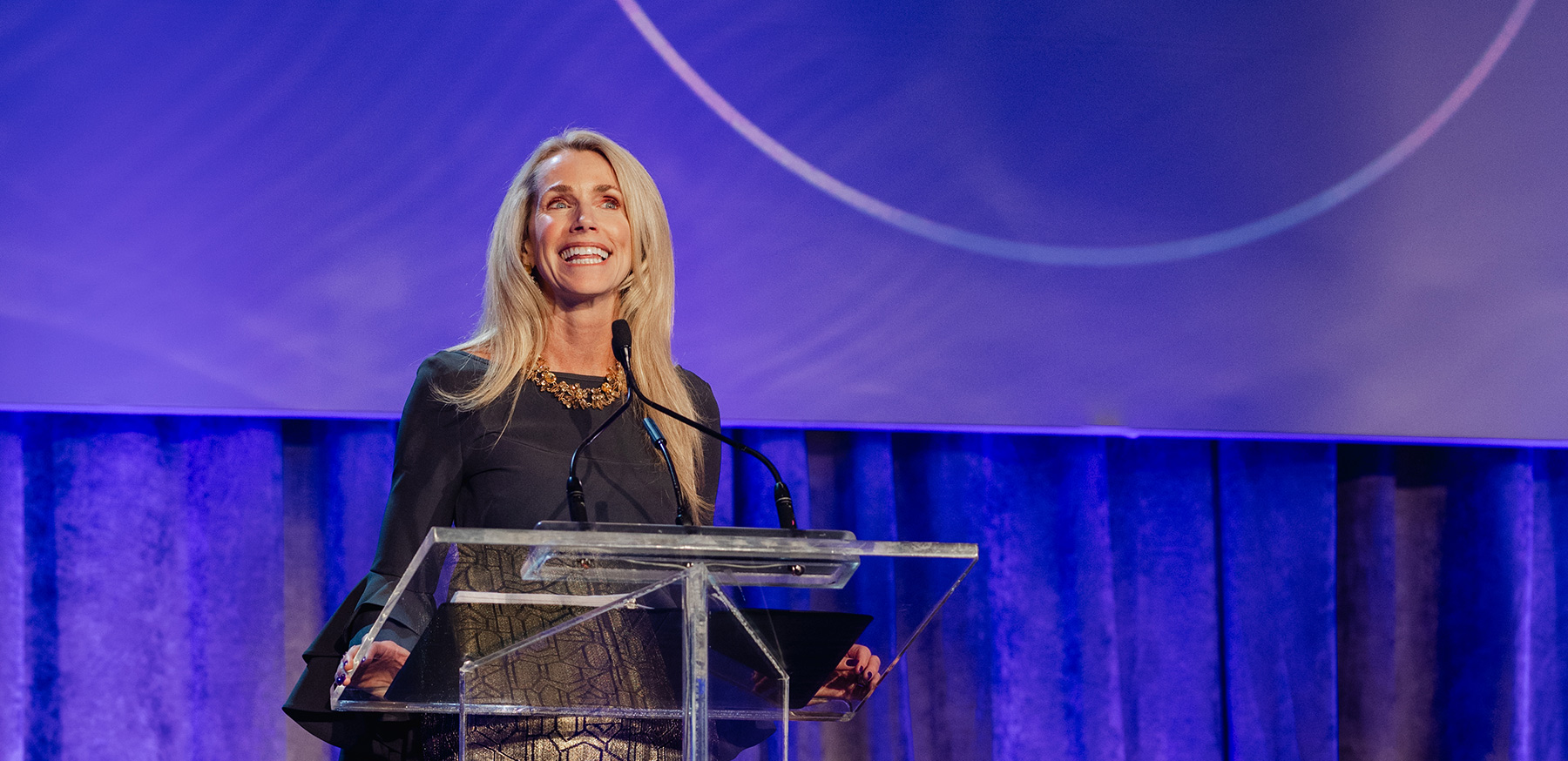
(Virtual) CMA Café: Are we entering the golden age of marketing?
Join Alison Simpson, President & CEO of the Canadian Marketing Association to discuss why the tsunami of change that we’re managing through can lead to the golden age of marketing.
(In-Person) CMA Café: Are we entering the golden age of marketing?
Join Alison Simpson, President & CEO of the Canadian Marketing Association to discuss why the tsunami of change that we’re managing through can lead to the golden age of marketing.

DMSC Live Info Session
Discover if you're eligible for a fully-funded CM Scholarship! This is your opportunity to have all your questions answered and gain valuable insights into advancing your career in marketing.
ADVERTISEMENT

ADVERTISEMENT

LATEST PERSPECTIVES
| View All


The evolution of CX
May 03

- Key Topics

Sounds of Lunar New Year
Apr 26
Become a Chartered Marketer
Invest in your marketing career with an applied, current, and technology-driven curriculum that leads to obtaining the CM Designation.
LEARN MORECMA Connect
We're pleased to bring you our new podcast, the voice of the Canadian marketing community.